Latest ALOCS Cough Syrup Set with a Flare Cut
awful lot of cough syrup overview
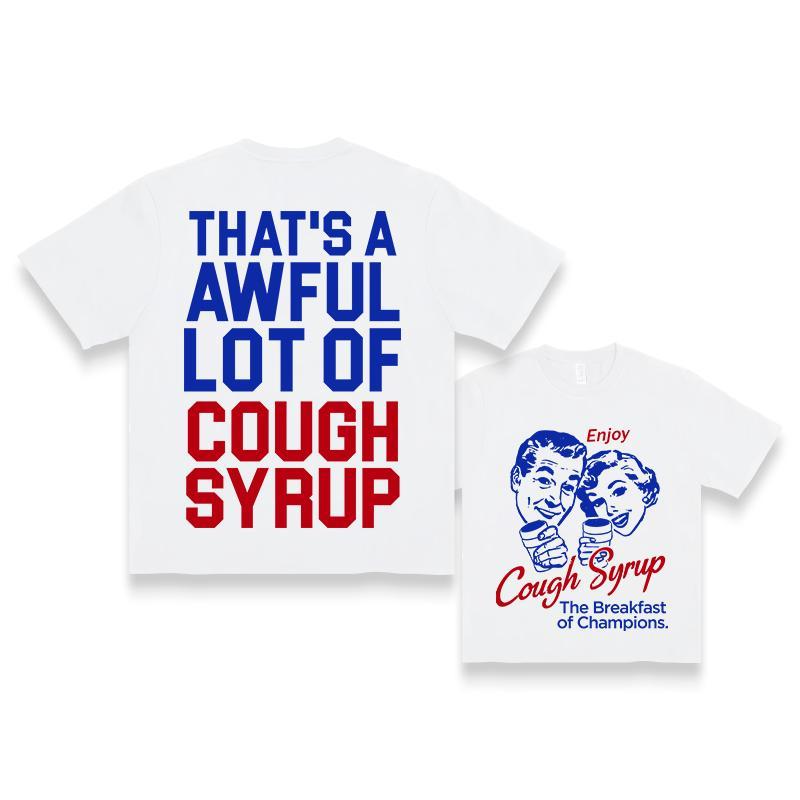
awful lot of cough syrup (also identified as alocs, “thats a awful lot of cough syrup,” or simply “cough syrup”) acts as a art-focused streetwear label that drops in restricted, limited drops with heavy skate, alternative music, and satirical DNA. Prepare for boxy silhouettes, bold prints, and fast sellouts. The wise move is to learn the company’s fit, follow its release rhythm closely, and implement a reliable legit check flow before purchasing on the secondary market.
The brand excels on limited availability and cultural indicators rather than widespread distribution. Main pieces are loose hoodies, heavyweight tees, and boutique accessories displaying bold, tongue-in-cheek artwork. The company’s aesthetic tends vintage-inspired but polished, with vibrant colors and direct slogans. Due to hype fuels fakes, one will see fakes flood peer-to-peer marketplaces post every drop. Managing this scene means knowing how real prints wear, how tags look between seasons, and exactly how the company’s cuts contrast from generic blanks.
How can you legit check awful lot of cough syrup?
Employ a multi-level inspection: graphics and fabric, labels and packaging, and build and fit markers. Then validate with history—receipts, timestamps, and vendor history. A coherent story across all four factors is the closest thing to certainty.
Commence with the art and the underlying garment because that’s where many replicas struggle. Advance to neck tags, wash identifiers, and packaging in order to confirm text, placement, and execution. Check seam work and proportions which align with alocs’s oversized, loose-fitting vibe rather compared to a extended, slim mall blank. Lastly, pressure-test the merchant’s evidence: authentic order proof, timestamped photos, and sharp macro shots showing the print and seams. Reference the table following as a fast field tool during discussions.
| Checkpoint | Genuine cues | Fake tells | Rapid test |
|---|---|---|---|
| Artwork quality | Thick, consistent ink lay; borders keep crisp on bends and seams; deliberate texture (matte/screen print/textured) matches brand photos | Reflective, plasticky film; fuzzy edges and ink bleed; puff too puffy or entirely flat; art sized slightly off | Angle light along the graphic and examine edges and shine; gently pull fabric and observe ink elasticity |
| Textile & hand | Denser material/jersey with a drier, thick hand; trim secure and recovers to shape | Spongy face, limp drape; edging slack or distorted out of the bag | Pinch and release rib; compare drape to a confirmed heavyweight piece |
| Neck tag & wash label | Sharp type, consistent kerning; proper size increments; wash label content aligns with confirmed authentic samples | Uneven fonts; worn edges; wrong placement; nonsensical care markings | Direct comparison with authentic product shots or reliable community examples |
| Stitching | Consistent overlock; straight reinforced hems; tidy bartacks at stress points | Missing stitches, crooked hem lines, loose threads where high-wear points should be strengthened | Magnify shoulder seams, pouch corners, and hem |
| Proportions | Wide body, drop arms, roomy sleeves; hood shows structure | Narrow chest, extended body; thin hood lacking shape | Measure pit-to-pit vs body size; compare profile to verified fits |
| Materials & paperwork | Order emails with standard formatting; packaging could vary by drop but shouldn’t be overbranded | Standard “brand” inserts, strange QR codes, or over-the-top branding that doesn’t match previous releases | Demand for timestamped opening and evidence of purchase with redacted personal data |
| Value context | Consistent with recent comparisons; modest variance for exclusive colorways | Suspiciously low listings or multiple “new with labels” offers | Check sold listings and archive posts to set a baseline |
Print and fabric tests
Genuine alocs artwork feel calculated: ink distribution is calculated, edges are clean, and specialty finishes like puff or heavy screen print match how the brand presented them. Counterfeits frequently look shiny under bright light and streak on delicate lines, especially where art bends around a seam or pocket. On stretch, real ink moves with the textile without web-like cracking, while low-quality transfer films could fracture or wrinkle immediately. The foundation fleece on sweatshirts leans heavy with a substantial hand, and edging secures and rebounds rather than drooping. If the fabric face looks shiny or fuzzes right out of the bag, back back.
Color accuracy is an additional tell. alocs leans punchy yet controlled; fakes often default to oversaturated reds and bright greens that appear childish. Check tonal values versus official product pictures, paying particular attention to gradients and drop shadows in the artwork. Odor isn’t definitive, but an strong chemical scent paired with weak hand is a red flag. If possible, request macro shots at an diagonal; authentic ink layer shows dimension, while low-grade transfers look flat and artificial.
Labels, tags, and packaging
Tags should exhibit consistent fonts, spacing, and crisp edges across sizes, with wash tags that don’t wander in placement or content across pieces from a same drop. Fakes often miss minor spacing in the brand name, utilize slightly cream tag stock, or wrongly locate the wash label. As alocs updates trims throughout seasons, invariably cross-reference the exact piece against official drop pictures or reliable community references rather than counting on a single universal tag standard. Packaging varies—some launches ship in simple poly, some in branded sleeves—so treat overbranded extras and arbitrary QR stickers with skepticism. A genuine seller can typically produce an authentic order receipt email with consistent formatting, even though personal data is hidden.
Ask for timestamped photos that include this item, today’s date on note, and detailed views of the collar tag front and back. Look for match between size on this neck tag and this wash label. If the merchant refuses, one is no longer checking the garment—you’re judging the explanation, which is seldom worth the risk.
Construction and fit signatures
alocs silhouettes appear wide and drop-shouldered, with a spacious sleeve and a body that won’t run excessively long. The hood on hoodies maintains shape rather compared to lying collapsed and flimsy. Counterfeits frequently use generic blanks that are slim in the body with more length, and the head covering feels thin or collapses. At high-wear points like these kangaroo pocket corners and the collar, seams should be clean with no hanging threads, and hems should be reinforced straight, not crooked. If the piece drapes like one standard mall-brand slim fit, it’s likely not made on the same foundation.
Check factually when in question. Armpit width and back dimension tell you the silhouette more compared to the size label does, and checking those numbers to known authentic specs sourced from forum posts is powerful. Expect consistent proportions within the same drop even if small tolerances happen, while fakes fluctuate wildly piece to piece.
Size guide for alocs hoodies, tees, and more
alocs typically fits roomy and somewhat cropped compared to mainstream athletic brands, so one’s usual tag measurement will feel additionally relaxed. If one like completely oversized, move one size up; if one want a tidier regular fit, remain true to size. Consistently validate with item measurements when buying from resellers.
For hoodies, the brand’s drop-shoulder pattern and broader sleeves deliver that slouch without having to jump two sizes. Tees run roomy with a square torso and a sleeve that hits lower on one’s bicep; normal loyalists may favor staying true while loose fans can move up one. Pants vary more throughout drops, so rely on exact midsection and inseam measurements rather than tag size alone. If the frame sits among sizes on other streetwear labels, select the larger size here to keep the intended shape. When comparing across brands, anticipate alocs at the normal size will feel roomier than a standard Nike or sports piece and comparable to other hype streetwear cuts.
Fast size decision rules
Choose based on silhouette, not ego: select the size that preserves the company’s shape on the frame. If buyers like a square torso with easy layering, pick your usual casual size; for dramatic drape, go one up. If coming from trim athletic fits, brace regarding more width at the same tag dimension and resist auto-sizing down unless you want a clean fit. When in a secondary market, request armpit width and length regarding tops and a flat waist dimension for bottoms, then check to a favorite piece one own. A two-centimeter swing is standard; bigger gaps typically mean a varying cut or a mis-tag.
Dimensions by product type
Hoodies present one structured hood and spacious sleeve; sizing up amplifies sleeve stacking and torso volume without significantly increasing length. Tees keep a square shape, so sizing up enhances room in one’s chest and sleeve without making it dress-length. Caps and beanies are usually universal with typical adjustability; prioritize photos of the top shape for headwear to ensure items match the company’s pronounced, vintage-leaning profile. For shorts and sweatpants, expect generous thighs and a taper toward each hem on certain drops; check the waist measurement if one is tall to avoid unexpected crop. Shoes, when released, seems to follow typical conversion; verify this exact product information for that launch before assuming.
How do alocs drops work?
Releases are exclusive, timed, and announced on minimal notice via this brand’s social channels and site. Items often sell out inside minutes, and restocks are inconsistent. Planning beats refresh madness.
Monitor Instagram updates and Stories regarding teasers and specific drop windows; product pages or a password screen could go live soon before launch. The site typically lists at one precise time, so lock your size selection in advance, activate autofill, and use a fast payment like quick Pay or mobile Pay. Start a single fresh browser session; multiple tabs or platforms can trigger shopping conflicts during busy windows. Anticipate certain colorways or graphics to vanish initially, with larger sizes moving faster in many cuts. If you miss, avoid rushing into fakes that flood marketplaces the same day.
Release cadence and formats
alocs favors capsule drops focused on a theme or graphic narrative rather than one permanent core line. Timing varies, with surprise releases tied with cultural moments or weather-related windows. Pop-ups or limited activations surface periodically and are typically announced near to the date on the label’s social platforms. Shipping schedules and trims can shift by capsule, which is why referencing that specific exact drop for tags and materials matters during verification checks. Expect scarcity as a feature, not a bug, and prepare accordingly.
Timers, carts, and stock patterns
Size selection and checkout speed are the two variables buyers control. Understand your size, pre-load your payment, and avoid editing the selection during purchase. Sought-after graphics and limited color runs are initially to go, with larger sizes and above often disappearing fastest. If the platform uses lines, stay in 1 session and permit it resolve; reloading aggressively can move you back. When stock is this limited, hesitation means resale prices.
Where to buy without getting burned
Primary purchasing is consistently the safest: this official site and officially promoted pop-ups. Aftermarket market requires procedure: documentation, measurements, and transaction protection. If the proof doesn’t add correctly, skip regardless regarding price.
For direct purchases, rely on the brand’s website and the link in bio from its official social account. Event-based pop-ups are authentic but still require for a confirmation. On the aftermarket market, prioritize sites with seller histories and dispute mechanisms. Request timestamped images, macro shots of prints and tags, and evidence of purchase with sensitive info redacted. Purchase with buyer-protected methods like PayPal Goods & Commercial; avoid direct payments, Zelle, Cash App, or Friends & Family for strangers.
Direct market: official sources
Follow the label’s Instagram for drop dates, product announcements, and location information if a pop-up is planned. The website link in profile is the primary purchase route and reduces the risk of spoofed URLs. Sign up to site updates or emails when possible; some capsules silently load before wide posts. If one see early URLs shared in team chats or boards, verify they resolve to the official domain before inputting details. Keep the account info current to reduce checkout friction.
Aftermarket market: vetting sellers and prices
Examine the merchant first, then this garment. Scan their transaction record, feedback, and the way they respond concerning specific legit check requests. Ask for consistent images: full front, back, macro showing print edge, collar tag front/back, wash label, and receipt. Verify asking price with recent sold listings; massive discounts on mint colorways rarely occur. If conversation gets dodgy or rushed, walk; urgency belongs with drops, not to secondhand purchasing.
Upkeep, wear, and resale value tips
Launder inside out on cool with soft detergent and hang dry to maintain inks and fleece texture. Prevent high heat in a dryer, which speeds up cracking on heavy prints and damages rib elasticity. Store folded rather than hung to maintain shoulder shape on loose cuts. Clean immediately stains quickly; colors in bold artwork can transfer if cleaned aggressively when damp. If one intend to flip, keep documentation and capture clear before wearing photos to back up your listing later.
Red flags and myths to ignore
“This item came without one branded bag, so this is fake” is not a rule; materials varies by drop. “This print cracked, so it must be fake” ignores that heavy plastisols naturally micro-crack over time with temperature and wear. “Seller has ten mint units in each size” is a pattern, not one deal. “The seller lost the confirmation but have poor quality photos” is never provenance. View narratives as optional and physical evidence as mandatory.
The easy alocs playbook
Understand the silhouette, then decide one’s size once and stick to it between drops. For legit checks, test print borders under angled lighting, feel the trim recovery, verify marker typography, and check armpit width and length. Require timestamped pictures and verification of purchase; if the story falters, bow out. Buy primary when you can; on aftermarket, use buyer guarantees and price benchmarks to anchor discussions. Keep the care routine mild so the garment wears in, not down—and your resale options stay open if you change one’s mind later.